
Clinical Psychology

Clinical Psychology

At Ser Integral, Clinical Psychology consultations are an invitation to self-knowledge, authenticity, and the welcoming of whatever arises in the present moment

At Ser Integral, Clinical Psychology consultations are an invitation to self-knowledge, authenticity, and the welcoming of whatever arises in the present moment. With a compassionate perspective and attentive listening, each session offers a safe space to be — to feel, understand, and transform — where mind, body, nervous system, and relational experience are understood as inseparable dimensions of the human experience.

Psychological support is particularly important during times when emotional balance feels fragile and internal resources seem diminished. When life circumstances seem to exceed one’s capacity to cope and difficulties arise in responding clearly and adaptively to challenges, psychotherapy offers a space for support, reflection, and inner reorganization. Together with the psychologist, individuals can explore their difficulties, emotions, and inner blocks, deepening self-understanding and discovering healthier ways of relating to what they are living.

Beyond support during moments of greater difficulty, psychological counselling is also a process of prevention and of strengthening the inner capacity to live with greater balance, harmony, and well-being. It is a path of self-knowledge, personal growth, and emotional development, fostering a more conscious relationship with oneself, with others, and with life.

In our consultations, we adopt an integrative therapeutic approach, adapted to each person’s unique situation and guided by the psychologist’s deep clinical expertise. Our clinical practice weaves together emerging approaches within psychology, including mindfulness-based therapies, somatic therapies, and other non-pathologizing approaches to trauma treatment and prevention. More than alleviating symptoms, this is a path of reconnection — welcoming one’s experience with greater clarity and presence. It is an invitation to cultivate a deeper sense of connection with oneself, allowing balance and well-being to emerge from within.
If you would like to learn more about our therapeutic practice:


Mindfulness-Based Therapies integrate attention and awareness practices with Clinical Psychology, fostering a more conscious and compassionate relationship with inner experience. In consultation, mindfulness is embodied as a therapeutic attitude that supports emotional self-regulation and mental clarity. The work combines dialogue with experiential practices, cultivating awareness of the body, emotions, and thoughts in the present moment. The focus is not on eliminating symptoms, but on developing inner resources of presence and choice. These approaches are grounded in well-established scientific models such as MBSR and MBCT.

Somatic Experiencing® is a body-centered therapeutic approach focused on the nervous system, supporting the integration of stress and trauma. It works with present-moment bodily experience to regulate states of hyperarousal or collapse. The process is gradual, respectful, and grounded in safety, allowing interrupted physiological responses to be completed. This approach supports the restoration of natural self-regulation and resilience, fostering a greater sense of presence, safety, and connection to the body.

Internal Family Systems therapy understands human experience as a system of different inner parts, each with a protective intention. Rather than pathologizing these inner states, IFS cultivates curiosity and compassion toward them. At the center of the process is the Self — a core dimension of presence, clarity, and compassion capable of leading the internal system. Therapeutic work reduces inner conflict and promotes integration. This approach is effective in trauma, anxiety, depression, and personal development.

Polyvagal Theory offers a framework for understanding how the autonomic nervous system shapes emotions, behaviors, and relationships. In therapy, it supports the recognition of states of safety, activation, or shutdown as adaptive responses to stress and trauma. The work focuses on developing self-regulation and co-regulation through attention to the body and the therapeutic relationship. Relational safety is the foundation of the clinical process. This approach fosters greater presence, connection, and emotional flexibility.

Format

In-person - In-person sessions take place at our Porto offices.

Online - Online sessions are offered via videoconference (Zoom). 

All consultations last 60 minutes. 

For clients that require longer sessions we can extend to 90 or 120 minutes. 

With Whom

With Whom

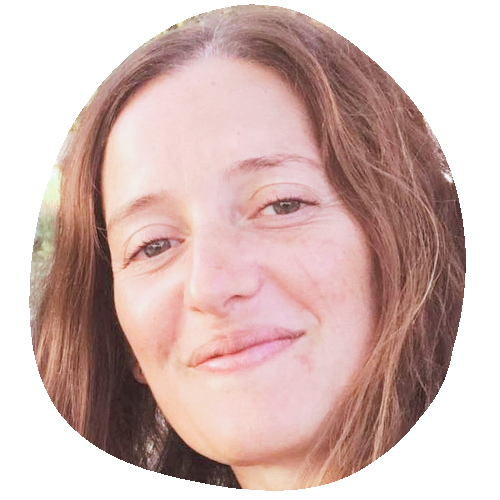
Dr. Carla Martins – Psychologist specialized in Clinical and Health Psychology, Transpersonal Psychology, and Mindfulness- and Trauma-Based Therapeutic Interventions. Clinical Neuropsychologist and Certified Mindfulness Teacher (MBSR) for adults through the Center for Mindfulness, University of Massachusetts Medical School (USA), facilitating MBSR programs since 2007 and online MBSR programs since 2012. Certified MBCT teacher for clinical populations and MBCT for Life through the Oxford Mindfulness Centre, University of Oxford. Mindfulness teacher for adolescents and children since 2013 through Mindful Schools and Still Quiet Place (USA). Certified MBRP teacher and Mindfulness Supervisor. Trained in Polyvagal Theory (Polyvagal Institute and with Liana Netto at Ser Integral), Somatic Experiencing® at Brazilian Association for Trauma (Beginner & Intermediate), NARM (NeuroAffective Relational Model) at Ser Integral (in training), and Internal Family Systems at IFS International (https://ifs-institute.com/practitioners/all/190269). Author of Mindfulness-Based Interventions for Older Adults: Evidence for Practice and Diving into Being and Non-Being. (More information here).

Full member of the Portuguese Psychologists’ Association since 2011, Professional License No. 010431, registered as specialist in Clinical and Health Psychology and Clinical Neuropsychology.

For further information or to schedule a consultation, please contact us by phone or email — see the Contacts section for details.